Why Polished Creative Work Feels Dead
A midday riff with Nate Riley on demos, distortion, and why over-polished creative work loses the thing that made it alive.

Today I ended up in one of those random conversations that accidentally turns into philosophy.
Not intentionally. Nobody sat down saying, “Let’s unpack the emotional crisis of modern creativity.
It just happened the way real conversations happen.
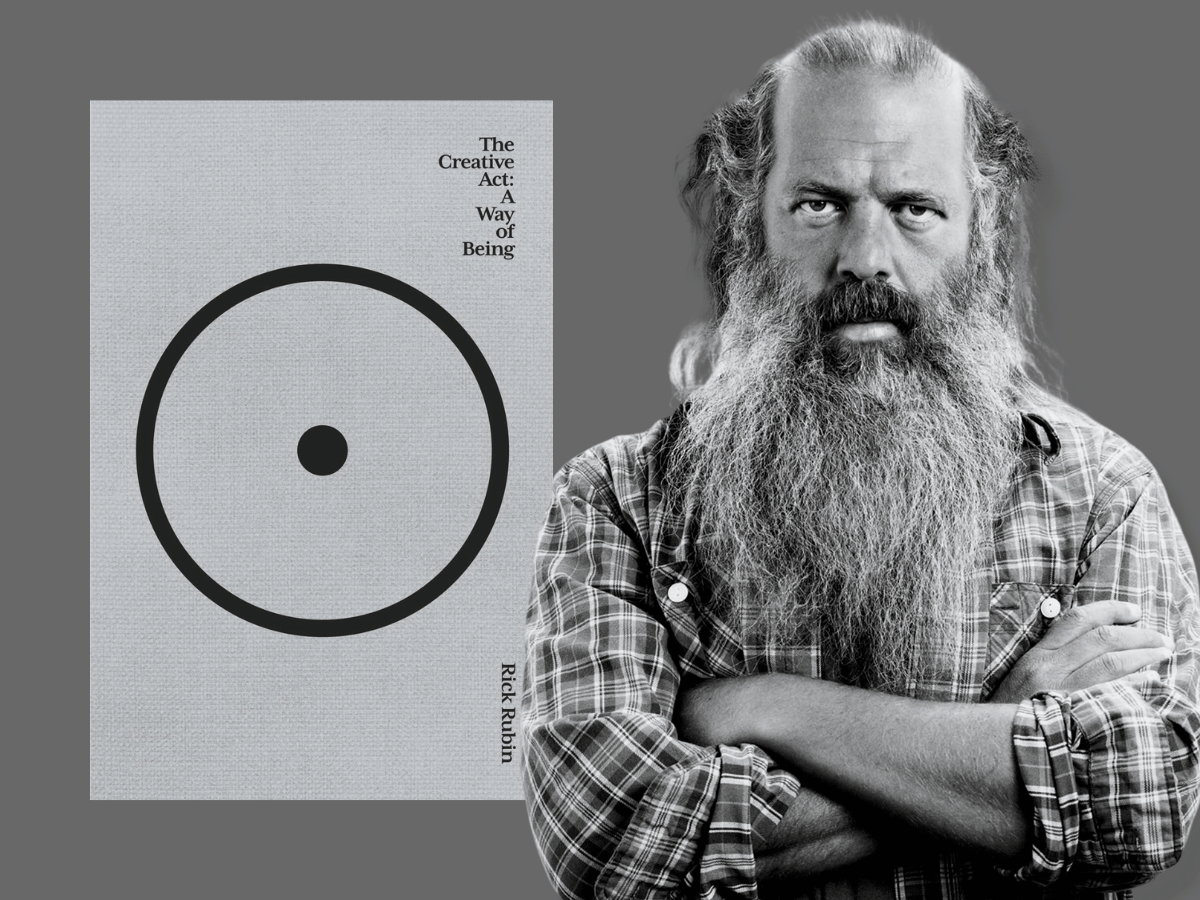
One minute we were talking about Rick Rubin. Then somehow we were talking about Bruce Springsteen recording demos alone in a bedroom, Nirvana tracking vocals in darkness, Johnny Cash covering Nine Inch Nails, freestyle rap, MTV, nylon-string guitars, soccer goalies, and why so much modern creative work feels emotionally embalmed before it even ships.
Somewhere in the middle of it came a realization that felt hard to ignore:
Most creative people today are accidentally training themselves to think like algorithms.
Everything gets filtered through the same questions:
Would this perform?
Would this scale?
Would this convert?
Would this fit the platform?
Would this look polished enough?
And because of that, a lot of creative work now arrives technically perfect and spiritually empty.
You can feel it.
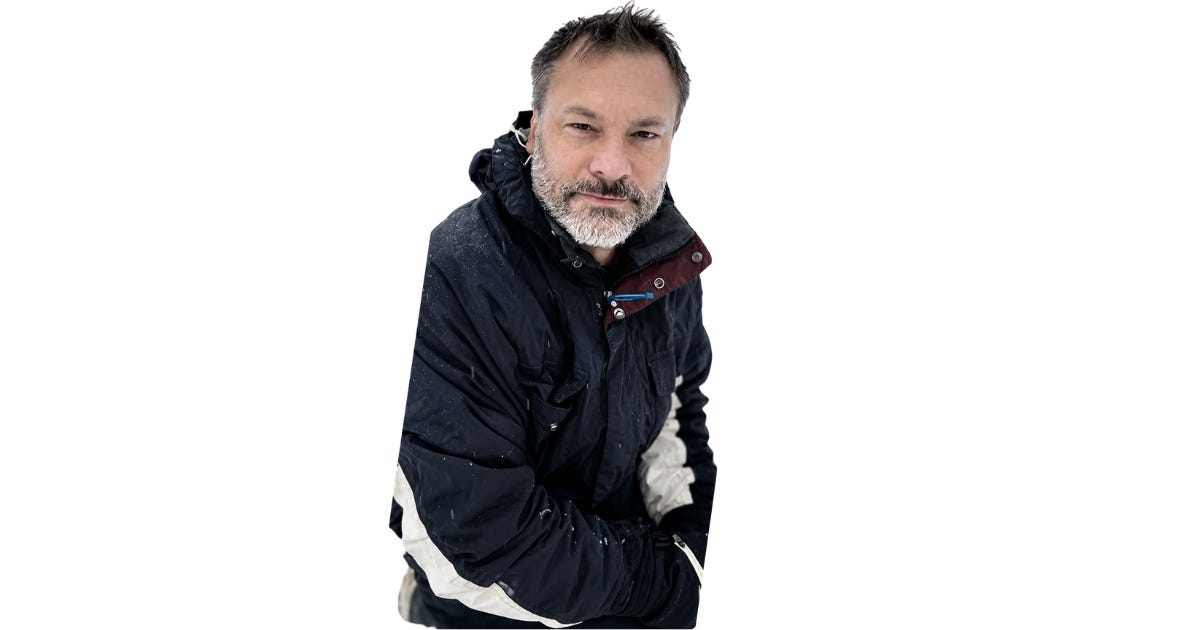
The other person in the conversation was Nate Riley.
Nate is an animator, illustrator, designer, musician, art director, creative director, and one of those rare people whose creativity still feels connected to curiosity instead of performance. At one point he mentioned that most of his ideas still start in a sketchbook.
Not a deck.
Not a content strategy document.
Not prompts.
Not trend forecasting.
A sketchbook.
Loose lines. Fragments. Bad ideas. Play.
That almost feels rebellious now.
Because people are terrified of looking unfinished. Everybody wants the polished version immediately. The final render. The mastered track. The elevated campaign. The cleaned-up identity system.
But a lot of the greatest creative work in history started fragile.
Half-broken.
Intimate.
Unprotected.
That’s why Rick Rubin came up.
Because Rubin’s genius isn’t really production. It’s excavation.
Most producers leave fingerprints everywhere. A Timbaland beat sounds like Timbaland. Pharrell sounds like Pharrell. A lot of producers bend artists toward their own gravity.
Rubin somehow does the opposite.
He pulls artists closer to themselves.
That’s why he can work with Jay-Z, Johnny Cash, Slayer, Adele, Tom Petty, Red Hot Chili Peppers, and System of a Down without flattening them into “Rick Rubin music.”
He’s not imposing identity.
He’s uncovering it.
At one point, I said something incredibly simple:
“To me, it means being vulnerable.”
That’s the part people avoid.
Everybody wants originality.
Very few people want exposure.
Because real originality usually comes from revealing something before you fully know how to protect it.
That’s why Bruce Springsteen’s Nebraska came up.
At the exact moment Springsteen could have made the biggest commercial rock record imaginable, he instead recorded this sparse, lonely thing in a bedroom. And once they heard those recordings, the problem became: Can the studio recreate what naturally happened in the room?
That question feels enormous now.